
ROOF PAINTING
Decromastic Roof Restoration in Hamilton: Recoat or Replace?
Some older decromastic coatings contain asbestos. Arrange assessment and appropriate testing before work that could disturb the coating. High-pressure water spraying must not be used on asbestos-containing material. Roof condition and test results determine whether any restoration work is suitable.
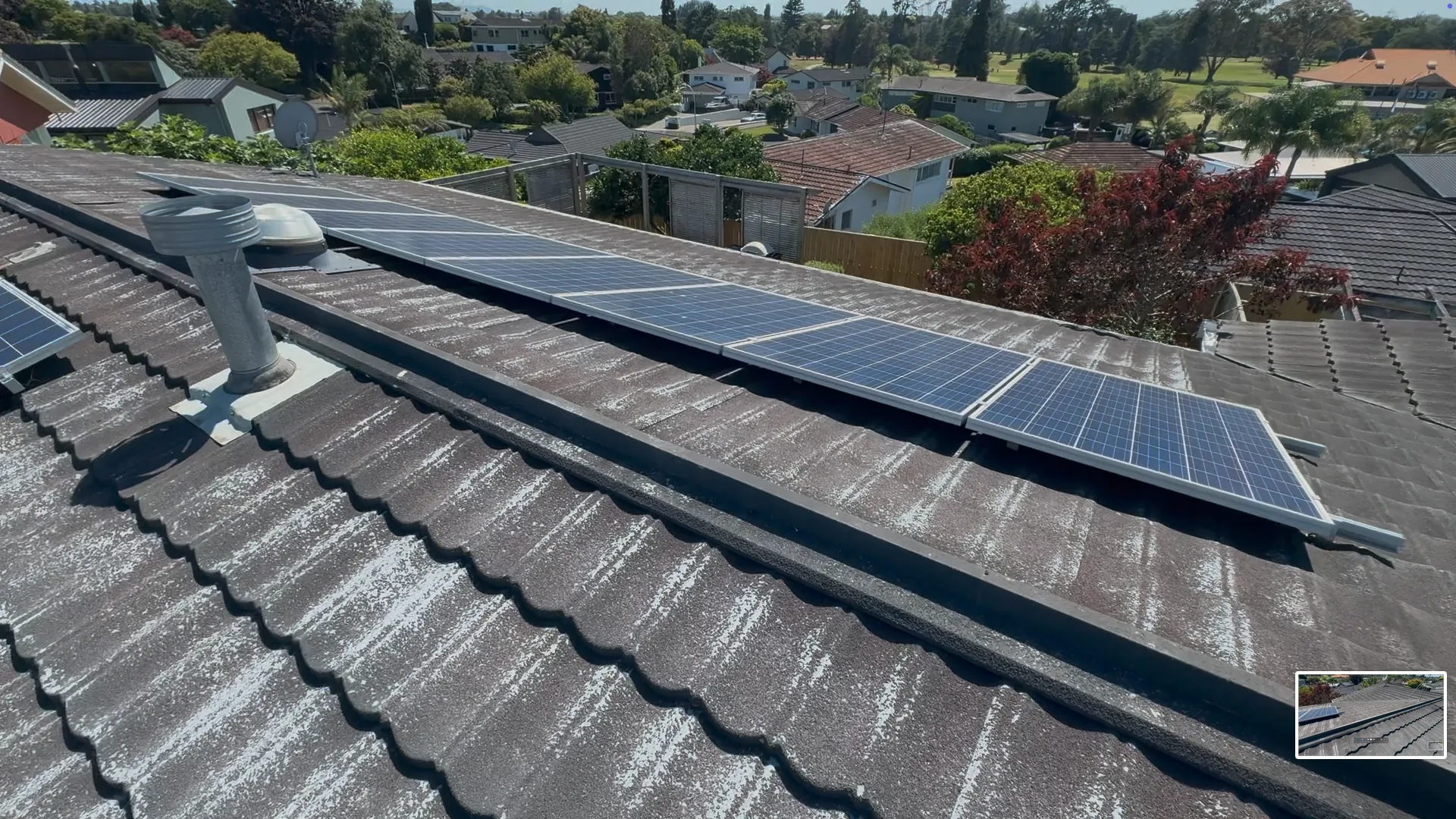
Older roof coatings: check before work begins
Some older decromastic coatings and fibre-cement roofing contain asbestos. Arrange assessment and appropriate testing before disturbance. High-pressure water spraying must not be used on asbestos-containing material. The roof’s condition and any testing determine the next step; this guide is not a cleaning procedure for a suspected asbestos roof.
Stone-chip and related roofs don't always need full replacement when they look tired. Here's the restoration process for Hamilton and Waikato homes - inspection, clean-down, repairs and protective coats.
Decromastic roofs are pressed metal tiles finished with a protective coating and mineral chip. As they age, the surface can lose granules, hold biological growth or expose corroding metal. Restoration may be worthwhile while the tile base is sound and the coating is safe and suitable to work on. Widespread perforation or structural damage can make replacement the better option.
Roof challenges in the Waikato region
Sun degrades exposed coatings, while rain, debris and growth keep areas damp. Temperature movement also affects flashings and sealants. Decromastic metal tiles and concrete tiles fail in different ways, which is why the substrate must be identified before cleaning or specifying a coating.
The restoration process
- Inspection - assess substrate, flashings, penetrations and suitability, including old coating hazards before disturbance.
- Growth and corrosion assessment - select any treatment and repairs for the identified roof and the coating manufacturer’s requirements.
- Controlled clean-down - remove debris using methods permitted for the identified material and coating.
- Repairs - dents, weak points, flashings and leak paths first.
- Resurface / recoat - system-matched membranes or paint builds designed for chip roofs, not a random two-coat house paint.
- Protective colour coats - finish coats that restore appearance and UV defence.
Regular maintenance matters
Clear gutters of grit and coating flakes after storms. Watch for bald patches, moss mats and rust streaks. Early roof warning signs are cheaper than interior ceiling stains. Schedule inspections even if you're not ready to coat this season.
Choosing the right roof coating
Match product chemistry to the substrate. Flexible, high-build systems suit some chip roofs; others need specialised resurfacing. Avoid DIY “any roof paint” on complex systems without a substrate check. Our roof painting service scopes restore vs recoat vs replace on site.
On a decromastic roof, colour fade may be the first thing visible from the street, but granule loss, loose fixings and corrosion matter more. An inspection should separate cosmetic ageing from defects that need repair before any coating is considered.
During restoration, crews also check valleys, ridge caps and penetrations around aerials or solar mounts. A perfect field coat fails if water still enters at a poorly sealed collar. Document findings with photos so owners can see why a simple “two coats of roof paint” quote may under-specify the real system.
After coating, follow the maintenance plan for the identified roof and coating. Arrange safe gutter maintenance and an assessment if growth returns; do not disturb an untested old coating. Pair this maintenance mindset with the visual cues in our roof signs guide so small problems don't become ceiling stains.
Frequently asked questions
Is a decromastic roof the same as a concrete tile roof?
No. Decromastic roofs are pressed metal tiles with a protective coating and mineral-chip finish. Concrete tiles are a different substrate and require a different assessment and coating system.
Can every tired stone-chip roof be restored?
No. If the metal base is badly perforated or structurally compromised, replacement is the honest path.
What does restoration usually include?
Inspect, treat growth and rust, controlled clean, repairs to dents and flashings, then resurfacing and protective colour coats suited to the system.
What affects roof coating life?
Exposure, roof material, coating specification, preparation and maintenance all affect service life. An inspection can identify deterioration before repainting is considered.
Arrange a roof assessment
Tell us the roof’s approximate age, visible condition and any material testing already completed. Photographs taken safely from the ground are useful; you do not need to access the roof.
For this work, explore roof painting. See Decromastic Roof Restoration Hamilton for the preparation and result, then request a quote with your suburb, surface condition and preferred timing.
Technical references
START WITH A CLEAR SCOPE
Get the right preparation in your quote.
Tell us what you would like to improve, your suburb and your preferred timing. We’ll discuss the scope and arrange a site assessment.