
EXTERIOR PAINTING
Elastomeric Coatings for Waikato Homes: Where They Work
An elastomeric system may suit sound plaster or masonry when the manufacturer approves the substrate and crack treatment. It cannot repair rotten framing, failed flashings or an active leak. Ask for the exact system, preparation, film thickness and maintenance requirements in writing.
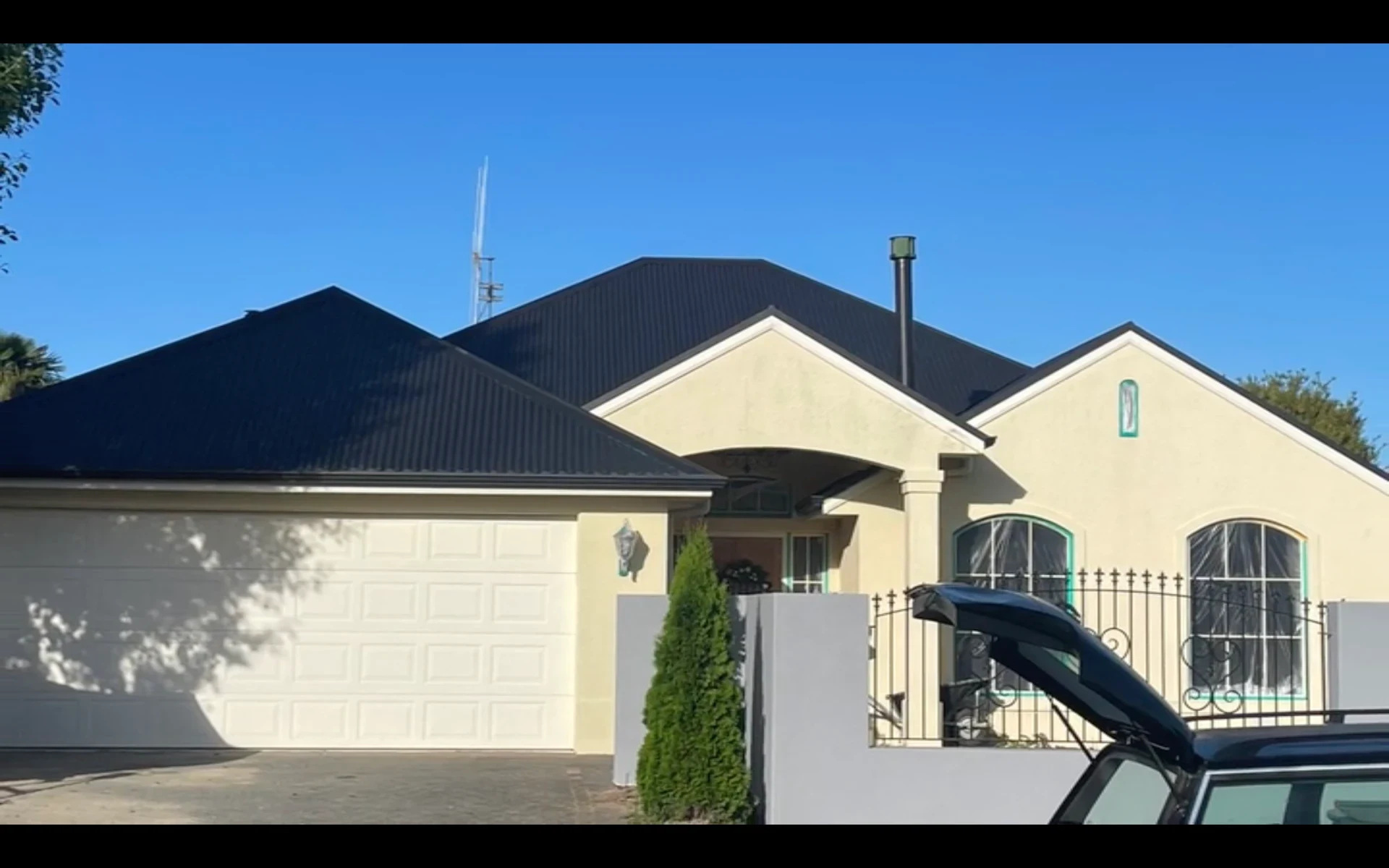
Elastomeric coatings may suit some sound plaster and masonry surfaces. Their performance depends on the approved substrate, crack treatment, preparation and application thickness.
Elastomeric coatings are flexible, high-build systems used on selected exterior substrates, particularly some masonry and plaster finishes. They can bridge specified hairline cracks and help resist weather when the substrate, preparation and film thickness all meet the manufacturer's requirements. They aren't automatically the right choice for every Waikato home.
What are elastomeric coatings?
They're high-build coatings that form a thicker film than standard house paint. Depending on the product specification, that film can accommodate limited movement and bridge fine, non-structural cracks. The substrate must still be sound, dry and properly prepared.
Benefits for Waikato homes
Weather resistance
A correctly specified continuous film can improve resistance to wind-driven rain. It doesn't replace flashings, drainage, ground clearances or repairs to an active leak.
Crack-bridging
Some systems are tested to bridge fine, non-structural cracks within a stated limit. Wider or moving cracks need diagnosis and repair before coating.
Mould-resistant exterior systems
Damp shaded walls grow biological film. Many elastomeric systems include mould-resistant properties suited to humid regions - still clean and prep first.
UV and weather resistance
Exterior-grade elastomeric products are formulated for weather exposure, but performance still depends on the approved substrate, film build, colour, preparation and maintenance.
Choosing the right product and applicator
Choose a system approved for the actual substrate. A wall coating is not automatically suitable for a roof. Ask for the manufacturer’s system sheet, dry-film thickness and maintenance requirements.
Substrate readiness decides success. Elastomerics need clean, sound surfaces free of active mould and chalky failed paint. Map cracks: hairlines may bridge; wide structural cracks need repair first. On plastered homes, confirm the render is bonded before building thick film.
Application thickness matters. Too little material can compromise the specified weather resistance and crack-bridging performance; excessive application can also cause faults. Follow the selected system’s coverage, preparation and recoat requirements.
Not every Waikato elevation needs an elastomeric coating. A conventional exterior acrylic may suit sound weatherboards better. For masonry and plaster, decide whether the added flexibility and weather resistance are useful after assessing the surface. Roof work needs its own manufacturer-approved roof specification.
Homeowners comparing systems should also ask about cleaning, inspection and recoating. On multi-storey work, future access can be a meaningful cost, so keep the product names, batch details, film-thickness requirements and maintenance advice with the property file.
Frequently asked questions
What are elastomeric coatings?
Flexible coatings specified for particular substrates, with limited crack-bridging and weather-resistance properties that depend on the selected system.
Do they replace structural repairs?
No. Active leaks, failed flashings and rotten framing need fixing first. Coatings protect; they don't rebuild structure.
Where are they used in the Waikato?
Some systems are used on sound masonry and plastered exteriors. Roofs require a separate manufacturer-approved roof specification.
Are they mould resistant?
Check the selected product’s specification. Any stated resistance does not replace cleaning, surface preparation, drainage or correction of persistent moisture sources.
Discuss the right coating for your walls
Send your location, cladding type if known, and photographs of cracks or coating wear. We assess the surface before recommending a preparation and coating scope.
For this work, explore exterior painting. See Rototuna Roof & Exterior Painting for the preparation and result, then request a quote with your suburb, surface condition and preferred timing.
Technical references
START WITH A CLEAR SCOPE
Get the right preparation in your quote.
Tell us what you would like to improve, your suburb and your preferred timing. We’ll discuss the scope and arrange a site assessment.