
PLASTERING
Level 5 Plaster Finish: When Hamilton Homes Need It
It combines appropriate plasterboard installation and joint treatment with full-surface finishing to reduce texture and porosity differences. The requirement depends on lighting, paint sheen and the project specification. Skimming alone cannot correct misaligned framing or guarantee an invisible joint under every light.
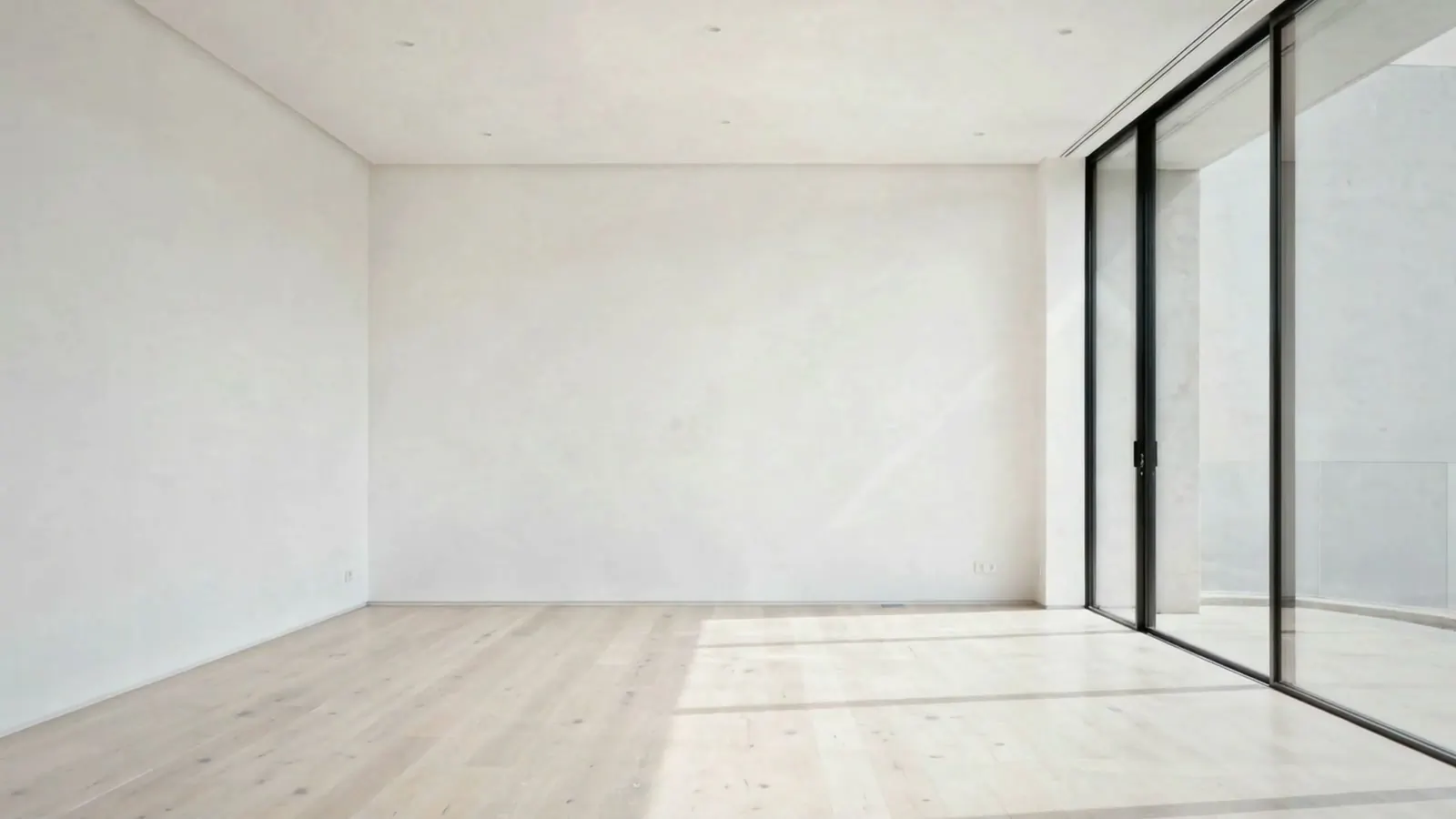
Level 5 adds a thin compound coat across the full plasterboard surface. It reduces the texture and porosity difference between stopped joints and board paper, but it isn't a promise that critical light will reveal no surface variation.
Large windows, long walls and directional lighting can expose joint banding that isn't noticeable under diffuse light. That is why Level 5 is considered for some Hamilton renovations, new builds and commercial interiors.
The specification still starts with framing, board fixing and correct Level 4 joint work. The full-surface coat is an additional finishing step; it can't compensate for poorly aligned framing or badly fixed board.
What is Level 5 skim coating?
A specified Level 5 plasterboard finish adds full-surface treatment to correctly completed joint and fastener work. Its purpose is to reduce texture and porosity differences, with installation and framing requirements considered as part of the complete system.
Level 5 aims to make surface texture and absorption more uniform. Paint then sits over a continuous compound layer rather than alternating between joint compound and board paper.
Understanding drywall finish levels
GIB’s Level 4 and Level 5 guidance explains that Level 5 adds a full-surface air-drying compound to the Level 4 work, together with tighter framing requirements and back-blocked joints. Agree the complete specification before stopping begins.
Level 4 is commonly used where the intended coating and lighting permit it. Correct joint and fastener finishing, preparation and sealing remain essential before painting.
Level 5 finish: adds the thin continuous compound layer over the whole surface after Level 4 work. Its purpose is to reduce differential porosity and surface texture before paint.
Why modern architecture asks for Level 5
Light from windows, skylights and wall-mounted fittings becomes critical when it strikes a surface at a shallow angle. Minor variations can then cast shadows. Level 5 reduces joint-related differences, although GIB notes that expected critical light can still reveal imperfections.
The best result comes from coordinating framing tolerances, board layout, stopping, paint sheen and lighting positions before work begins.
Key benefits of Level 5 skim coating
More uniform surface texture
The continuous compound coat reduces the visual change between stopped joints and the plasterboard face, particularly beneath semi-gloss paint.
Better paint performance
Premium paint performs best on a uniform substrate. Level 5 reduces uneven absorption so colour and sheen read more evenly. Architectural detail can take the focus instead of joint lines.
Clearer finish specification
Calling for Level 5 makes the expected joint treatment, full-surface compound and inspection conditions explicit. It isn't a substitute for impact-resistant board or structural repairs.
Reduced joint photographing
LED strips, large windows and recessed lights can outline joints. Level 5 reduces the absorption and texture differences that contribute to that effect.
Better fit for high-spec rooms
For Hamilton renovations and new builds with long sightlines or higher-sheen paint, the added preparation can be worthwhile in the rooms where it will be seen.
Where Level 5 skim coating is commonly specified
- New construction with open living and large glass
- Luxury residential interiors and feature walls
- Commercial offices, reception and conference rooms
- Galleries, retail and hospitality spaces with critical lighting
- Long corridors and presentation areas with shallow-angle light
- Renovated surfaces with extensive, compatible full-field preparation
- Renovations after major board repair or strip-out
If you're pairing this finish with paint, plan plaster and paint as one standard. See also our guide to wall preparation for interior painting and our Level 5 plastering service.
Frequently asked questions
Is Level 5 plastering always necessary?
No. Storage areas and heavily textured finishes may not need it. The appropriate finish depends on the lighting, paint sheen, substrate and agreed specification; wallpaper removal alone does not establish a need for Level 5.
What's the main difference between Level 4 and Level 5?
Level 4 finishes joints and fasteners for standard paint conditions. Level 5 adds tighter substrate requirements and a thin compound coat over the full surface to reduce texture and porosity differences. It improves appearance but doesn't guarantee that every irregularity will disappear under critical light.
Does modern architecture need Level 5 more often?
It is often specified in rooms with semi-gloss paint or critical lighting, including light from large windows or fittings that strikes the surface at a shallow angle.
Is Level 5 the same as skim coating?
A full-surface skim is part of a Level 5 specification, which also includes suitable framing, fixing and joint treatment. A smooth renovation wall is not automatically a Level 5 plasterboard system.
Discuss the finish your room needs
Share whether the walls are new board or an existing surface, together with your lighting and intended paint sheen. We can discuss the appropriate preparation and finish specification.
Explore plastering and skim coating, discuss a combined interior painting scope, or request a preparation assessment.
Technical references
START WITH A CLEAR SCOPE
Get the right preparation in your quote.
Tell us what you would like to improve, your suburb and your preferred timing. We’ll discuss the scope and arrange a site assessment.