
INTERIOR PAINTING
Wall Preparation for Interior Painting in Hamilton: When Skim Coating Is Needed
Inspect the existing paint, repairs, paper face and lighting. Sound walls may need only cleaning, filling, sanding and priming. Consider a wider skim for extensive texture or repairs, and a formal Level 5 specification where the plasterboard, lighting and coating requirements call for it.
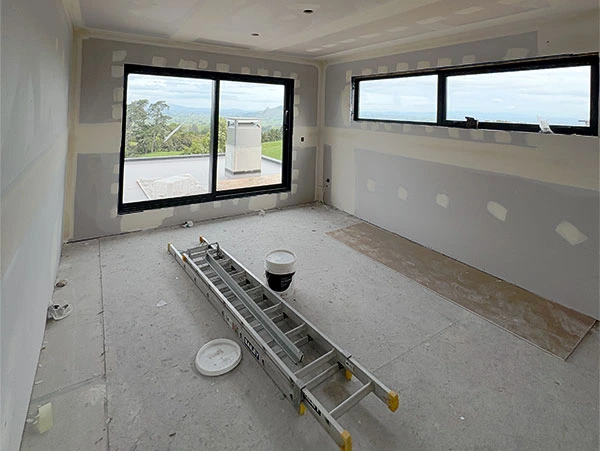
Some walls need only cleaning, sanding and local repairs. Others need a continuous skim coat before paint. The difference comes down to the substrate, lighting and finish you expect.
Colour and product choice matter, but they can't conceal a wall that is patched, porous in places or uneven under directional light. Before an interior repaint in Hamilton, inspect the existing coating, plasterboard face, repairs, cracks and any wallpaper residue.
The preparation scope should match what is actually there. Sound walls may need only spot filling and sanding; widespread texture or repairs can justify skim coating before interior painting.
Why paint jobs fail without wall preparation
Many apparent paint faults begin in the substrate and become visible only after colour is applied:
- Joint lines shadowing through light colours
- Filler islands that weren't feathered wide enough
- Texture differences after partial wallpaper removal
- Flashing where porous board meets sealed patches
- Uneven roller texture because the plane underneath was uneven
Good wall preparation fixes those before colour goes on, not after the furniture is back in the room.
Where skim coating fits before interior painting
Skim coating can reduce widespread texture and porosity differences on a suitable surface. Discuss it after assessment when:
- Wallpaper removal leaves widespread damage or uneven texture; sound walls may need only local repairs. See preparation after wallpaper removal.
- Multiple repairs create a patchwork under paint
- You want a modern smooth look rather than textured cover-up
- Lighting is critical, open plan, tall windows, long hallways
Level 5 is a specific plasterboard finish, not a general label for every smooth wall. It adds a full-surface compound coat to a correctly prepared Level 4 base to reduce texture and porosity differences. Read Level 5 plaster finish explained before adding it to a quote.
The prep-to-paint sequence that actually works
For a durable Hamilton interior repaint, this order protects the finish:
- Protect and isolate, floors, joinery, fixtures and dust control.
- Repair structure, loose board, water damage, major cracks.
- Stop joints and fasteners, correct GIB stopping where needed.
- Skim coat (Level 5 where specified), full-surface finishing where it is needed.
- Sand and remove dust - inspect preparation and agree the finished standard under the specified viewing conditions.
- Seal / prime, lock down porosity and stains.
- Finish coats, colour and sheen matched to room use and traffic.
Skipping the middle of that list is how “fresh paint” still looks tired a week later.
Common preparation problems in Hamilton homes
Renovations in Claudelands, Rototuna, Flagstaff, Chartwell and Dinsdale can involve very different wall ages, but several preparation problems are common:
- Wallpaper strip-outs left “for the painter” with no plaster plan
- DIY filler spots telegraphing under cool whites
- Level 4 new-build stops asked to perform like Level 5 feature walls
- Ceilings ignored while walls are painted, then downlights expose every joint
Putting those items in the written scope makes quotes easier to compare and reduces surprises after the first coat exposes the wall.
Why plaster and paint should be one standard
Plaster and paint are separate stages, but the specifications need to agree. When Tomar scopes both, the required finish level, sealer, paint sheen and inspection conditions are documented together.
If your project includes renovation damage, wallpaper removal or a high-spec paint finish, start with the service pages, then request a combined quote for plaster and paint.
Frequently asked questions
Can you paint without skim coating?
Yes, when walls are already sound, uniform and appropriate for the paint system. Many repaints only need spot repairs and sanding. Skim coating is specified when the surface isn't truly paint-ready.
How do I know if I need Level 5 before painting?
Ask for assessment of the substrate, lighting and intended sheen. Visible repairs or wallpaper removal do not automatically require Level 5. The complete specification matters, as our Level 5 guide explains.
What's the most important step before interior painting?
Honest substrate assessment. Everything else, primer, product choice and colour, depends on whether the wall plane and porosity are under control.
Do you handle colour selection as well as preparation?
We advise on sheen and product systems for each room and can work with your chosen colours or designer brief as part of the interior painting scope.
Bring preparation and painting into one quote
Tell us about wallpaper removal, visible repairs, damaged surfaces and the rooms involved. We can discuss the preparation and finish together before work begins.
For this work, explore interior painting. See Waikato New-Build Interior Painting for the preparation and result, then request a quote with your suburb, surface condition and preferred timing.
Technical references
START WITH A CLEAR SCOPE
Get the right preparation in your quote.
Tell us what you would like to improve, your suburb and your preferred timing. We’ll discuss the scope and arrange a site assessment.