
EXTERIOR PAINTING
Weatherboard Painting in Hamilton: Prep, Products and a Finish That Lasts
Timber and fibre-cement can look similar but need different repair methods and primers. Check old coatings and suspected asbestos materials before disturbance. Agree how failed paint, exposed edges, putty and access will be handled, and follow any cladding restrictions on dark colours.
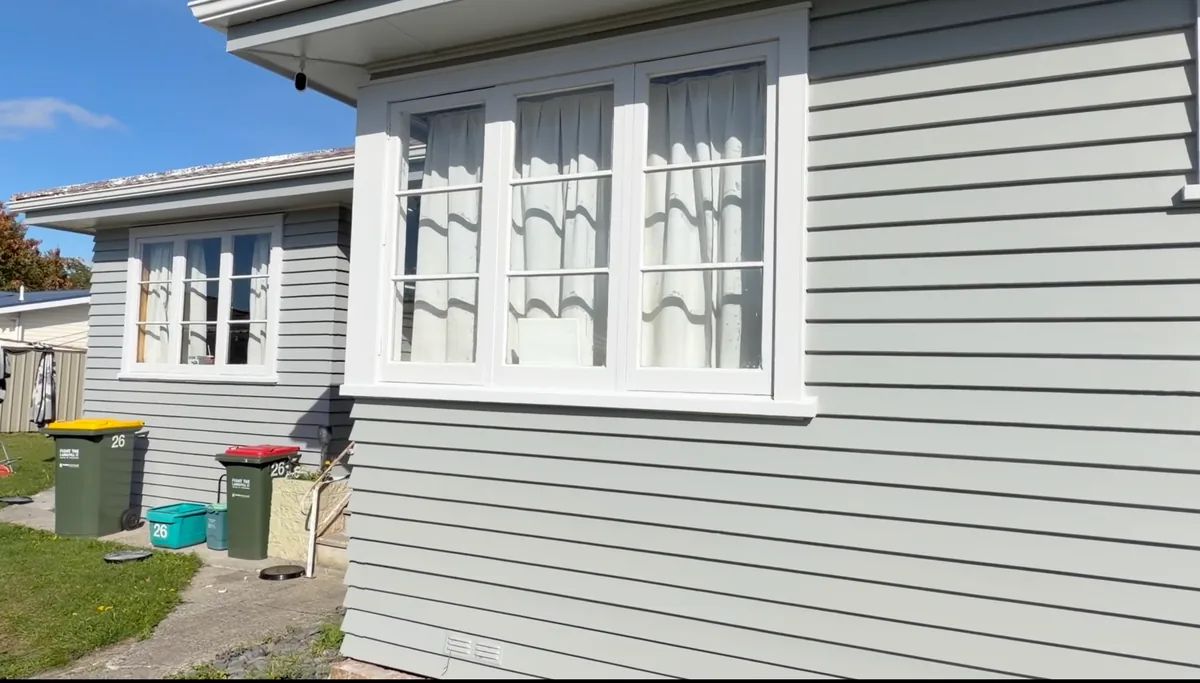
Check old paint and cladding first
Older paint may contain lead, and older fibre-cement materials may contain asbestos. Suspected hazards need assessment before scraping, sanding or cleaning. Choose controlled preparation and waste handling suited to the identified materials, and arrange structural repairs with an appropriate specialist.
Weatherboards are everywhere in Hamilton housing stock, and they only look sharp when preparation is honest. Here's how weatherboard painting actually works - from wash-down to finish coats, where jobs usually fail, and how local weather shapes the work. Related service: exterior painting.
Hamilton has both older timber weatherboards and newer fibre-cement profiles. They can look similar from the street, but they don't always need the same primer or repair method. Before quoting, a painter should identify the substrate and check where the existing coating has lost adhesion.
Why weatherboard paint fails early
- Painting over chalk without thorough washing
- Skipping primer on bare timber patches
- Trapping moisture behind sealed but unresolved issues
- Using interior-grade products outdoors
- Ignoring cracked putty, nail pops and open end-grain
Peeling, open joints and recurring growth usually point to preparation, moisture or maintenance issues. Changing colour won't solve those causes, so they need to be addressed before the finish coats go on.
Preparation that actually works
A proper weatherboard job usually means a biological wash where it's needed, scraping failed film to firm edges, sanding, repairs, and primers matched to bare substrate. For the wider exterior prep picture, see exterior painting preparation for Waikato weather.
Primers, systems and sheens
Bare timber, previously coated boards and fibre-cement each need the right primer family. Sheen choice affects cleanability and how imperfections read in raking light. Your painter should explain the trade-off for each elevation, not default to one can for everything.
A durable weatherboard painting process
- Inspect laps, ends, flashings and moisture risk
- Wash and treat organic growth
- Mechanical prep and board repairs
- Prime bare and patched areas
- Apply system coats in suitable weather windows
- Detail cut-ins at joinery, soffits and junctions
Aftercare and wash-down tips
Gentle periodic washing, clear gutters, and quick attention to damaged flashings go a long way. If you're coordinating roof work in the same season, plan the sequence carefully. For contractor selection, use how to choose painters in Hamilton.
Timber vs fibre-cement weatherboards in Hamilton
Plenty of Hamilton and Waikato homes mix timber weatherboards with later fibre-cement repairs or extensions. Treat them as different systems. Timber needs sound edge sealing, careful end-grain priming and moisture-aware recoats. Fibre-cement still needs correct primers and joint detailing, but it fails differently - often at fasteners, flashings and old filler patches rather than open grain.
Before choosing colour, check the cladding manufacturer’s requirements, particularly for dark finishes on sun-facing walls. Assess shaded or damp elevations separately, and resolve moisture and coating defects before painting.
A sound weatherboard paint job may include wash-down, scraping and sanding failed film, repairs, spot priming bare areas or a full primer where the specified system requires it, followed by the nominated finish coats. The exact sequence should follow the cladding and paint manufacturer's instructions. Resene's exterior maintenance guidance also recommends regular cleaning and early attention to defects.
Frequently asked questions
Can all weatherboards be painted the same way?
No. Timber, fibre-cement and previously coated surfaces need different prep and primers.
Should peeling weatherboards be fully stripped?
Not always. Failed film is removed to a sound edge; full strip is only needed when adhesion is widely compromised.
Is spraying better than brushing weatherboards?
Both can work. What matters is prep, product system and finishing into the grain and edges where required.
How long before weatherboards can get wet after painting?
Follow product cure guidance and local conditions. Night dew and sudden rain are common Waikato risks during exterior seasons.
Arrange a weatherboard painting quote
Share your suburb, the elevations needing work and any peeling paint or timber damage. Mention height and access so these can be assessed with the preparation.
For this work, explore exterior painting. See Hamilton Exterior House Painting & Restoration for the preparation and result, then request a quote with your suburb, surface condition and preferred timing.
Technical references
START WITH A CLEAR SCOPE
Get the right preparation in your quote.
Tell us what you would like to improve, your suburb and your preferred timing. We’ll discuss the scope and arrange a site assessment.